

Hey there, fellow gardening enthusiasts! I'm a supplier of metal garden beds, and over the years, I've seen my fair share of common problems that gardeners face with these beds. In this blog, I'll share some tips on how to troubleshoot those issues so you can keep your garden thriving.
Rust and Corrosion
One of the most common problems with metal garden beds is rust and corrosion. Metal, especially if it's exposed to the elements, can start to rust over time. This not only looks bad but can also weaken the structure of the bed.
Cause: Rust forms when metal comes into contact with oxygen and moisture. In a garden, there's plenty of moisture from watering and rain, and if the metal isn't properly protected, rust can set in.
Solution:
- Choose the Right Material: When buying a metal garden bed, opt for galvanized steel. Galvanized steel has a protective zinc coating that helps prevent rust. Our Galvanized Steel Raised Garden Planter Bed is a great option. The zinc coating acts as a barrier between the steel and the elements, significantly reducing the risk of rust.
- Apply a Rust Inhibitor: If you already have a metal garden bed that's starting to rust, you can apply a rust inhibitor. First, clean the rusty area with a wire brush to remove loose rust. Then, apply the rust inhibitor according to the manufacturer's instructions. This can slow down or even stop the rusting process.
- Regular Maintenance: Keep an eye on your metal garden bed and clean it regularly. Remove any dirt, debris, or standing water that could contribute to rust. A simple rinse with a hose every once in a while can go a long way.
Structural Damage
Another issue that can pop up is structural damage. This can include bent or broken parts, which can affect the stability of the garden bed.
Cause: Structural damage can be caused by a variety of factors, such as heavy objects being placed on the bed, strong winds, or even accidental impacts.
Solution:
- Inspect Regularly: Make it a habit to inspect your metal garden bed regularly. Look for any signs of bending, cracking, or loose parts. Catching these issues early can prevent them from getting worse.
- Repair or Replace Parts: If you notice a bent part, you may be able to straighten it out carefully using pliers or a similar tool. For more severe damage, you may need to replace the part. We offer replacement parts for our metal garden beds, so you can easily fix any issues.
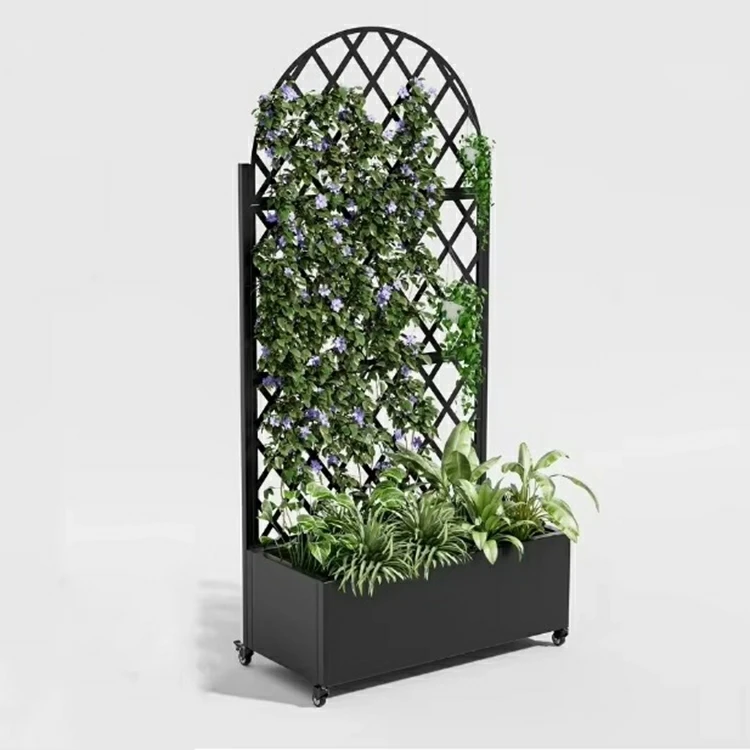
- Reinforce the Bed: If your garden bed is in an area prone to strong winds or other forces, you can reinforce it. You can use additional brackets or supports to make the bed more stable. For example, our Metal Planter Box with Trellis comes with a sturdy trellis that can also add some extra support to the overall structure.
Soil Erosion
Soil erosion can be a problem in metal garden beds, especially if the bed isn't properly designed or maintained.
Cause: Heavy rainfall, over - watering, or improper soil composition can all lead to soil erosion. When the soil washes away, it can expose the roots of your plants and make it difficult for them to grow.
Solution:
- Add a Liner: You can line the inside of your metal garden bed with a landscape fabric or a similar material. This helps to hold the soil in place while still allowing water to drain properly. The fabric acts as a barrier, preventing the soil from being washed out.
- Use Mulch: Apply a layer of mulch on top of the soil. Mulch helps to protect the soil from the impact of rain and reduces evaporation. It also adds nutrients to the soil as it breaks down. Organic mulches like wood chips or straw are great options.
- Proper Drainage: Make sure your metal garden bed has proper drainage holes. If the water can't drain out, it can cause the soil to become waterlogged and increase the risk of erosion. Check the drainage holes regularly to make sure they're not blocked.
Uneven Plant Growth
Sometimes, you may notice that the plants in your metal garden bed aren't growing evenly. Some may be taller and healthier, while others may be stunted.
Cause: Uneven plant growth can be due to several factors, including uneven sunlight, poor soil quality, or overcrowding.
Solution:
- Optimize Sunlight Exposure: Make sure your metal garden bed is placed in an area where it gets adequate sunlight. If some parts of the bed are shaded, you may need to rearrange your plants or trim any nearby trees or shrubs that are blocking the sun.
- Test and Amend the Soil: Have your soil tested to determine its nutrient content. Based on the results, you can add the appropriate fertilizers or soil amendments. For example, if the soil is lacking in nitrogen, you can add a nitrogen - rich fertilizer.
- Thin Out Plants: If your plants are overcrowded, they'll compete for nutrients, water, and sunlight. Thin out the plants to give each one enough space to grow. This will help promote more even growth.
Pests and Diseases
Pests and diseases can also be a headache in a metal garden bed. Insects, rodents, and plant diseases can damage your plants and reduce your harvest.
Cause: Pests are attracted to the plants in your garden bed, and diseases can spread easily in a moist environment.
Solution:

- Natural Pest Control: Use natural pest control methods whenever possible. For example, you can plant companion plants that repel pests. Marigolds, for instance, are known to repel nematodes. You can also use insecticidal soaps or neem oil to control insects.
- Keep the Bed Clean: Remove any dead or diseased plants from the bed immediately. This helps to prevent the spread of diseases. Also, keep the area around the garden bed clean to reduce the hiding places for pests.
- Monitor Regularly: Keep an eye on your plants for any signs of pests or diseases. Early detection is key to preventing a major infestation or outbreak.
Conclusion
Well, there you have it! These are some of the most common problems you may encounter with a metal garden bed and how to troubleshoot them. By following these tips, you can keep your metal garden bed in great shape and enjoy a bountiful harvest.
If you're in the market for a new metal garden bed or need replacement parts, we're here to help. We offer a wide range of high - quality metal garden beds, including Oval Raised Garden Beds. Whether you're a beginner or an experienced gardener, we have the perfect solution for you. Feel free to reach out to us to discuss your needs and start your gardening journey with confidence.
References
- "Gardening Basics: Raised Beds" by University of Extension Services
- "The Complete Guide to Metal Garden Beds" by Gardening Magazine