

Hey there, fellow gardening enthusiasts! As a supplier of Steel Garden Planter Boxes, I often get asked this burning question: “Do steel garden planter boxes require a liner?” Well, let's dive right into it and find out.
First off, let's talk about what steel garden planter boxes bring to the table. They're super durable, can withstand all kinds of weather conditions, and have a sleek, modern look that can really elevate the aesthetic of your garden. Whether you're a newbie gardener or a seasoned pro, these planter boxes are a great addition to your outdoor space. We offer a variety of options, like the Modular Steel Raised Bed, Metal Raised Garden Beds On Legs, and Mobile Planter Cart, each with its own unique features to suit different gardening needs.
Now, back to the main question. The short answer is: it depends. There are several factors to consider when deciding whether or not to use a liner in your steel garden planter box.
Reasons to Use a Liner
Moisture Control
One of the primary reasons to use a liner is to control moisture. Steel is a good conductor of heat and cold, which means that in extreme weather conditions, the soil inside the planter box can heat up or cool down quickly. A liner can act as a barrier, helping to insulate the soil and regulate its temperature. This is especially important for plants that are sensitive to temperature fluctuations. For example, if you're growing herbs like basil or cilantro, which prefer a more stable temperature, a liner can help create a more favorable environment.
Preventing Rust
Steel is prone to rust, especially when it comes into contact with water and soil. A liner can prevent the soil and water from directly touching the steel, reducing the risk of rust formation. This not only extends the lifespan of your planter box but also keeps it looking good for longer. You don't want to end up with a rusty, unsightly planter box in the middle of your beautiful garden, do you?
Soil Protection
A liner can also protect the soil from leaching out of the planter box. Over time, the soil can become compacted and start to seep through the drainage holes. A liner can prevent this from happening, ensuring that your plants have enough soil to grow in. It also helps to keep the soil nutrients intact, as they won't be washed away as easily.
Types of Liners
There are several types of liners available, each with its own pros and cons.
Plastic Liners
Plastic liners are one of the most common types of liners used in garden planter boxes. They're inexpensive, easy to install, and come in a variety of thicknesses. A thick plastic liner can provide better insulation and moisture control, while a thinner one can still offer some protection at a lower cost. However, plastic liners can also trap too much moisture if not properly ventilated, leading to root rot. So, make sure to punch some holes in the liner to allow for proper drainage.
Landscape Fabric Liners
Landscape fabric is another popular choice for liners. It's made of a porous material that allows water and air to pass through while preventing soil from escaping. This type of liner is great for promoting good drainage and aeration, which are essential for healthy plant growth. Landscape fabric is also more environmentally friendly than plastic, as it's biodegradable. However, it may not be as effective at insulating the soil as a plastic liner.
Burlap Liners
Burlap is a natural, breathable material that can be used as a liner. It allows water and air to circulate freely, preventing the soil from becoming waterlogged. Burlap is also relatively inexpensive and easy to find. However, it may not last as long as other types of liners, as it can break down over time when exposed to moisture and sunlight.
Reasons Not to Use a Liner
Cost
Adding a liner to your planter box can increase the overall cost. If you're on a tight budget, you may not want to spend extra money on a liner. However, keep in mind that the cost of a liner is relatively small compared to the cost of replacing a rusted or damaged planter box.
Drainage
Some liners can impede drainage if not installed correctly. If the liner doesn't have enough holes or is too thick, water can accumulate in the planter box, leading to root rot. If you're confident in your ability to provide proper drainage without a liner, you may choose to skip it. For example, if your planter box has large drainage holes and you're using a well-draining soil mix, you may not need a liner to ensure good drainage.
Natural Aesthetic
Some gardeners prefer the natural look of the soil and the steel planter box without a liner. They believe that a liner can detract from the overall aesthetic of the garden. If you're one of those gardeners who appreciate the raw, industrial look of steel, you may not want to cover it up with a liner.
How to Install a Liner
If you've decided to use a liner, here's how you can install it:
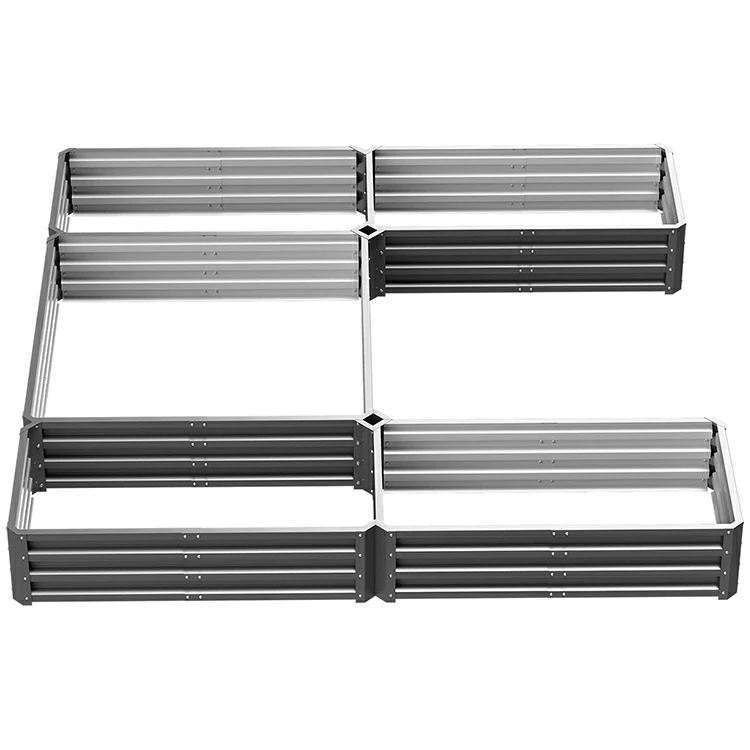

- Measure the Planter Box: Before you buy a liner, measure the dimensions of your planter box. Make sure to get a liner that is slightly larger than the planter box to ensure a proper fit.
- Cut the Liner: If necessary, cut the liner to the appropriate size. Leave some extra material around the edges to fold over the top of the planter box.
- Punch Drainage Holes: If you're using a plastic or burlap liner, punch some holes in the bottom to allow for drainage. Make sure the holes are evenly spaced and large enough to let water flow through easily.
- Place the Liner in the Planter Box: Carefully place the liner inside the planter box, smoothing out any wrinkles or folds. Fold the excess material over the top of the planter box and secure it in place with a staple gun or zip ties.
- Add Soil and Plants: Once the liner is installed, add your soil and plants to the planter box. Make sure to water the plants thoroughly to settle the soil.
Conclusion
So, do steel garden planter boxes require a liner? As you can see, there are valid reasons both for and against using a liner. It ultimately comes down to your personal preferences, the type of plants you're growing, and your gardening conditions. If you're concerned about moisture control, rust prevention, or soil protection, a liner may be a good idea. On the other hand, if you're on a budget, confident in your drainage system, or prefer a natural aesthetic, you may choose to skip the liner.
At the end of the day, the most important thing is to create a healthy and thriving environment for your plants. Whether you use a liner or not, make sure to provide your plants with the right amount of water, sunlight, and nutrients.
If you're interested in purchasing our high-quality Steel Garden Planter Boxes or have any questions about using liners, feel free to reach out to us. We're here to help you make the best decisions for your garden. Let's start this gardening journey together and create a beautiful outdoor space that you'll love!
References
- Smith, J. (2020). Gardening Basics: Planter Box Essentials. Green Thumb Press.
- Johnson, A. (2019). The Complete Guide to Raised Bed Gardening. Gardeners' World Publications.